Age
You must be 18 or older to serve or bartend in New Hampshire. Workers 14 and older can clear tables and help stock, but they can't serve or pour alcohol.

New Hampshire · Updated Oct 2026
New Hampshire doesn't require a state bartender license, but you still need to know how to do the job. Here's your path from zero experience to your first shift, plus the rules and pay to know.
Quick answer
New Hampshire doesn't issue a bartender license. The venue holds the liquor license from the state Liquor Commission, not the bartender. You must be 18 or older to serve or bartend. Learn the job first. Server training such as TIPS is optional, but many employers like it.
Your path
Take Bar Ready online: tools, pours, spirits, cocktails, service and how to get hired.
Watch every lesson in full to unlock each course's certificate of completion in your dashboard. It shows employers you trained. It isn't a license.
New Hampshire doesn't require it, but many employers prefer a course such as TIPS or ServSafe Alcohol.
See local rules ↓Put your training and certificates on your resume and apply to bars and restaurants near you.
Pour, serve and earn tips. In New Hampshire, tipped staff get at least $3.27/hr, and tips must bring them to $7.25/hr.
New Hampshire rules
You must be 18 or older to serve or bartend in New Hampshire. Workers 14 and older can clear tables and help stock, but they can't serve or pour alcohol.
New Hampshire doesn't issue a bartender license. The venue holds the liquor license from the state Liquor Commission, not the bartender.
New Hampshire doesn't require servers or bartenders to take alcohol training, though the Liquor Commission recommends training every year and runs its own course called T.E.A.M. The license holder or a chosen manager must attend a state management seminar within 45 days of getting the license. Employers may also ask you to finish a course before you start.
NH Liquor Commission FAQ RSA 178:2 NH Liquor Commission Management Training Seminar NH Liquor Commission T.E.A.M. training
Employers can pay tipped staff $3.27 an hour if tips bring them to at least $7.25 an hour; if not, the employer makes up the difference.
RSA 279:21 U.S. DOL state tipped wage table (rev. July 1, 2026)
Rules change. Last checked October 2026. This is general information, not legal advice. Confirm with the New Hampshire Liquor Commission, Division of Enforcement & Licensing and your employer before you apply.
Local rules
Alcohol rules for bar staff come from the state Liquor Commission, not your town. Voters in each town decide whether alcohol can be sold there, and a few towns limit or ban sales.
State alcohol agency
The agency that licenses and regulates alcohol sales in New Hampshire.
Open the official websiteYour employer can also tell you which rules apply where you'll work.
Pay
Sources: U.S. Bureau of Labor Statistics, OEWS May 2025 (New Hampshire, Bartenders 35-3011) and RSA 279:21. BLS wages include tips reported by employers. What you earn depends on the venue, your shifts and your location, and isn't guaranteed.
Jobs
Open bartender listings near you on Indeed. Barback and server openings are worth a look too: they're a common way behind the bar.
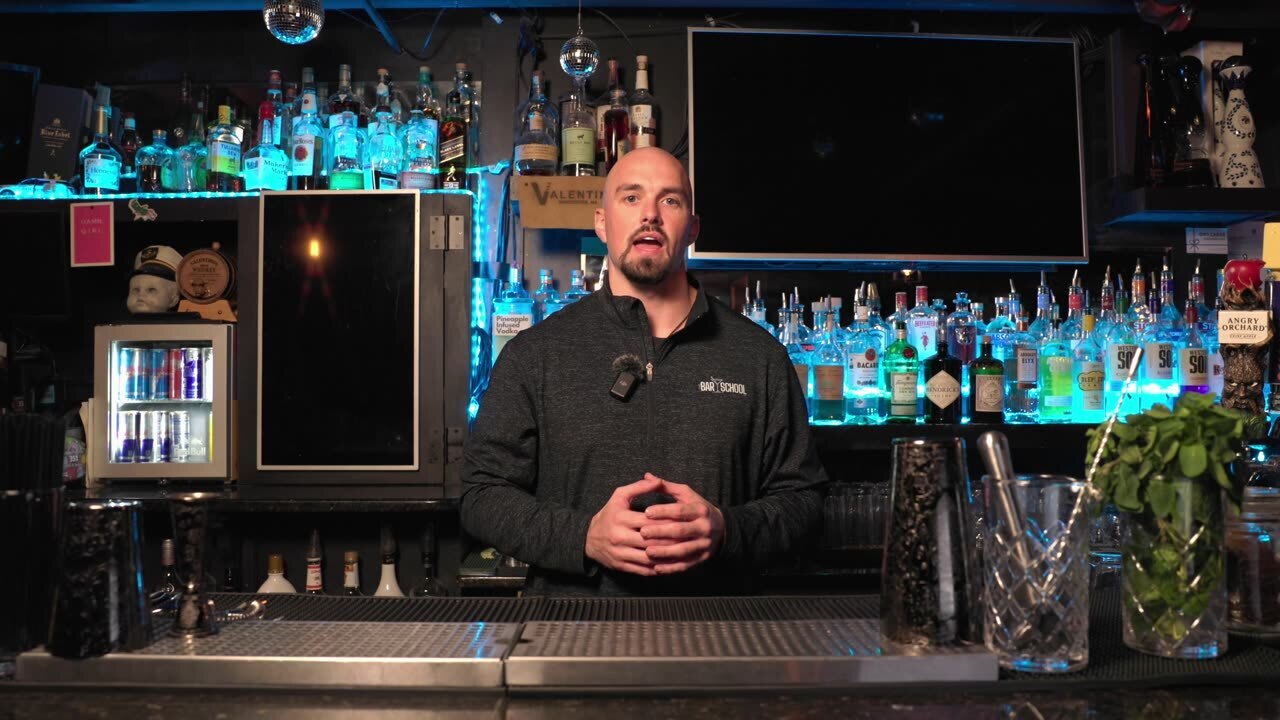
The question we hear most
Questions people ask
New Hampshire doesn't issue a bartender license. The venue holds the liquor license from the state Liquor Commission, not the bartender. You can learn the job first, then check whether your employer wants server training.
You must be 18 or older to serve or bartend in New Hampshire. Workers 14 and older can clear tables and help stock, but they can't serve or pour alcohol. Employers can set a higher minimum age, so check with the bar.
New Hampshire doesn't require servers or bartenders to take alcohol training, though the Liquor Commission recommends training every year and runs its own course called T.E.A.M. The license holder or a chosen manager must attend a state management seminar within 45 days of getting the license. Employers may also ask you to finish a course before you start.
NH Liquor Commission FAQ RSA 178:2 NH Liquor Commission Management Training Seminar NH Liquor Commission T.E.A.M. training
According to the U.S. Bureau of Labor Statistics (May 2025), New Hampshire bartenders earned a median of $13.85 an hour and a mean of $19.58 an hour ($40,730 a year), including tips reported by employers. The top 10% earned more than $37.61 an hour. Employers can pay tipped staff $3.27 an hour if tips bring them to at least $7.25 an hour; if not, the employer makes up the difference. Pay varies by venue, shifts and location.
Experience is up to each employer. Learning the fundamentals first, and being able to show you finished training, helps you stand out when you apply. That's what step 1 is for.
Search job boards like Indeed for bartender, barback and server openings in your city, check the websites and social pages of bars you'd like to work at, and drop off a resume in person when it's quiet. Barback and server jobs are a common way in. Hampton Beach and the Lakes Region hire extra summer staff, and ski areas around North Conway and Lincoln hire for winter.
No. New Hampshire doesn't require bartending school. An online course lets you learn the tools, pours, cocktails and service at your own pace.
No. We don't place students in jobs. Bar Ready shows you what the job involves and how to get hired, with a resume guide and template and what to expect when you apply. Then you apply to bars and restaurants near you.
Bar Ready is self-paced, so you go as fast as your schedule allows. After that, timing depends on your local rules and the jobs near you.
No. Your Bar School certificates of completion, one for each Bar Ready course, show employers you finished our training. They aren't a government license or permit, and they don't replace TIPS, ServSafe or any state or local requirement.
Step 1 is learning the job. Start Bar Ready online today, at your own pace.
Bar Ready · 100% online · $197 one-time · Certificates of completion
Not in New Hampshire? Pick your state →